Museums
Anne Frank House
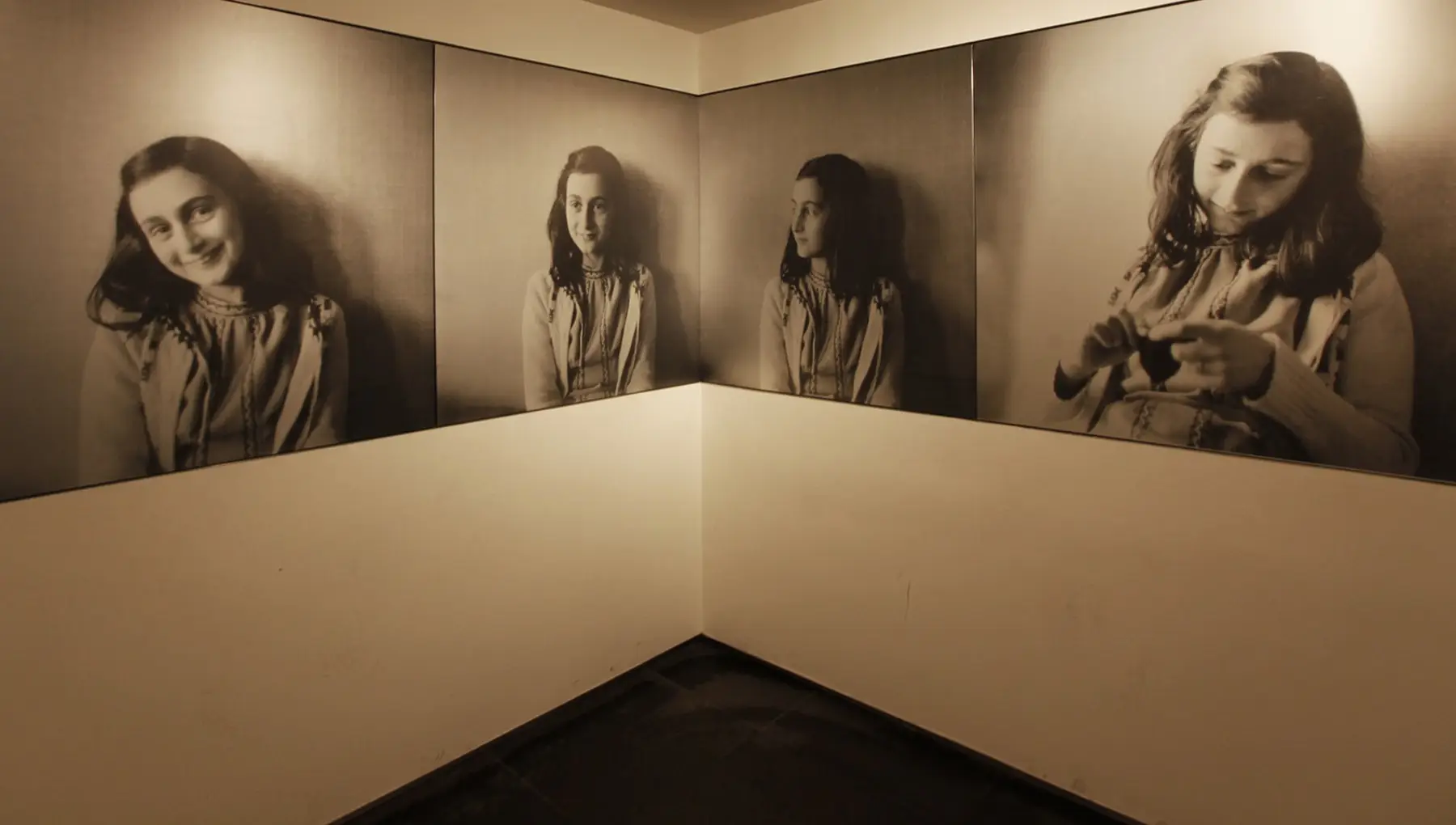
Image from Anne Frank House Photographer Cris Toala Olivares
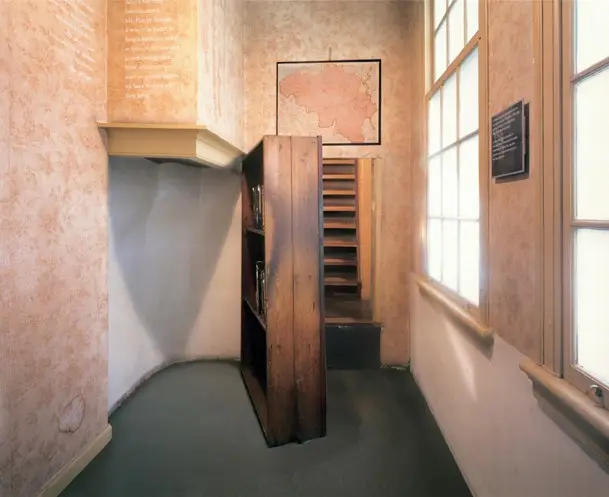
Slide 1 of 4
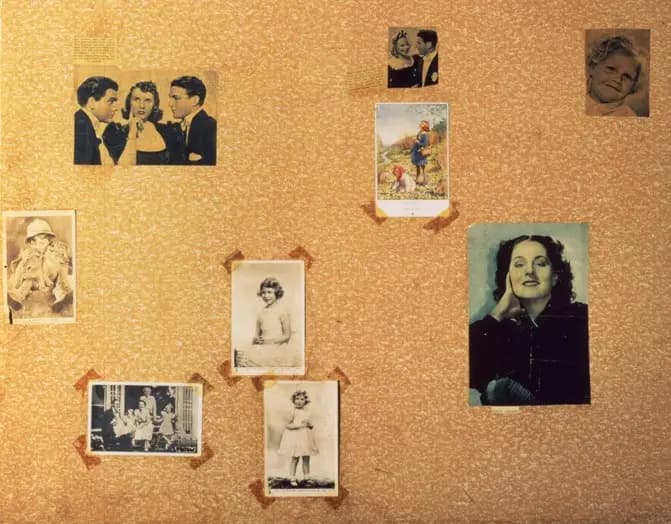
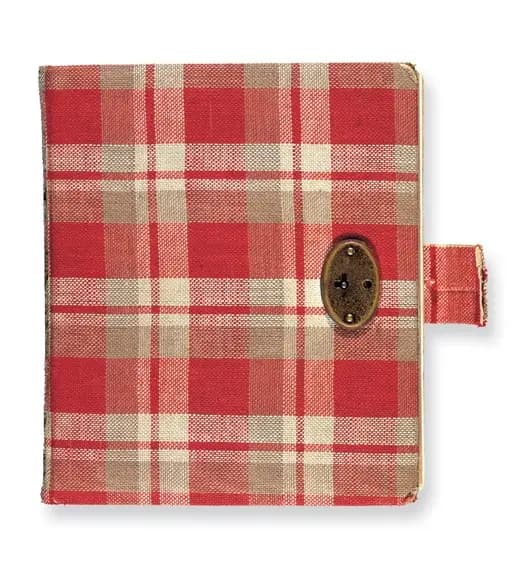
For more than two years, Anne Frank and her family hid in the Secret Annex of the building at Prinsengracht 263, where Anne's father, Otto Frank, had his business. The Van Pels family and Fritz Pfeffer also had their hiding place here.
Anne Frank House
Opening hours
Open until 22:00
Monday
9:00 - 22:00
Tuesday
9:00 - 22:00
Wednesday
9:00 - 22:00
Thursday
9:00 - 22:00
Friday
9:00 - 2:00
Saturday
9:00 - 22:00
Sunday
9:00 - 22:00
Contact
Accessibility
 General accessibility provisions and information
Present, available or allowed
- Personal assistant

 Provisions for people with reduced mobility
Present, available or allowed
- Mobile payment

 Provisions for people who require low sensory environments
Present, available or allowed
- Hidden disability Sunflower-keycord recognised here

Not present, not available or not allowed
- Service dog allowed

- Guide lines

- Hearing loop (t-coil or headphones)

- Sign language interpretation provided

- Closed captioning

- Open captioning

- Low stimulus hours

- Sensory experience

- Audio description

- Accessible information

- Material in Braille

- Stairs with handrail

- Lift

- Wheelchair accessible entrance

- Passageways that are sufficiently wide

- Accessible restroom

Explanation by Anne Frank House
Voor meer informatie over toegankelijkheid ga naar de website van het museum